
Arba Minch HDSS
Arba Minch HDSS is a HDSS based in Ethiopia.
- Population
- 138,000
- Established
- 2009
- Unit of observation
- Individual and household
About the cohort
Arba Minch University launched a research initiative in 2009, initially known as the Arba Minch Demographic and Health Development Program. This has since transformed into the Arba Minch Health and Demographic Research Center (AM-HDRC). The AM-HDRC, a field-based research center set up by the University's College of Medicine and Health Sciences, is committed to advancing health and population research.
Read full cohort description
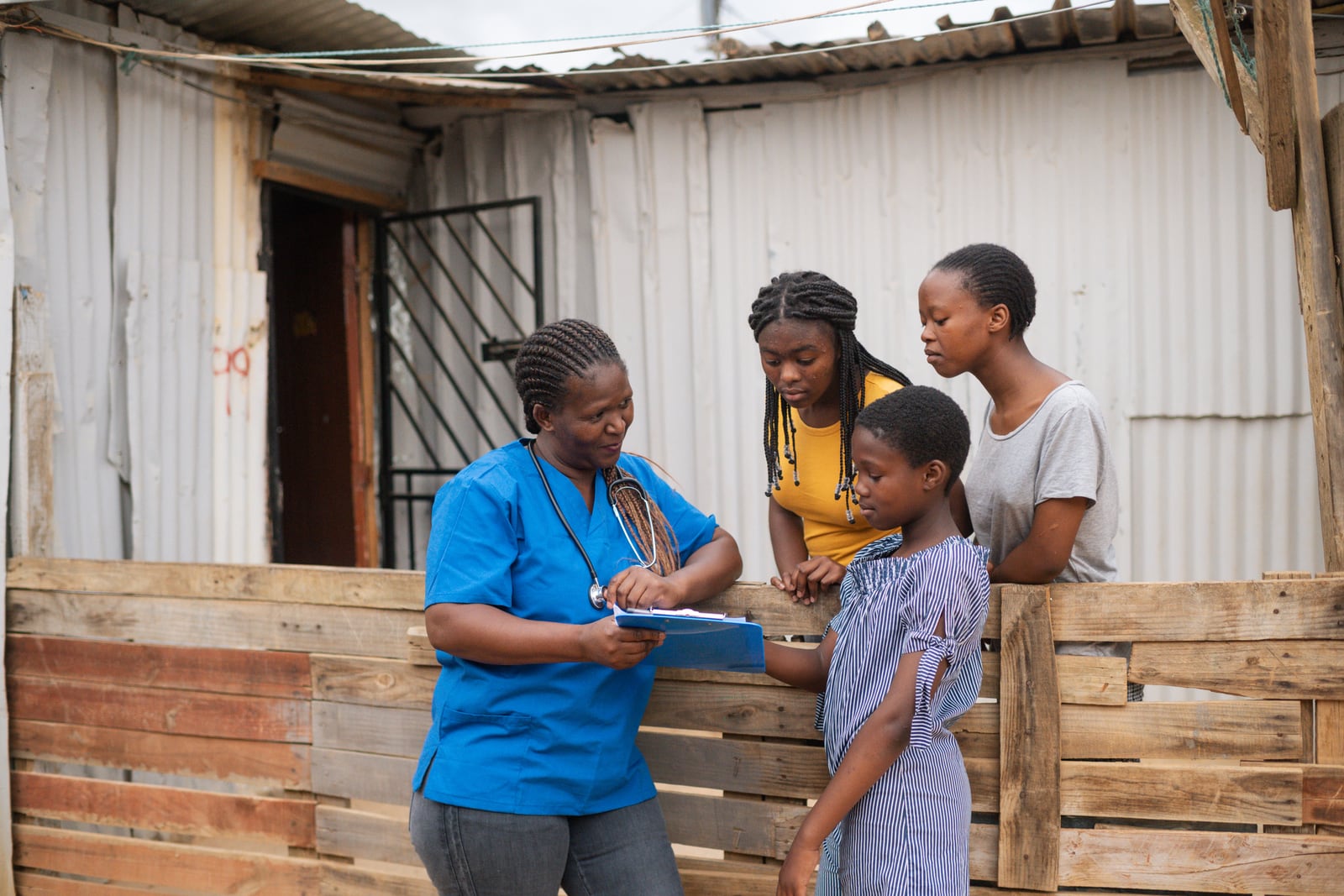
It operates Health and Demographic Surveillance System (HDSS) sites in both rural and urban areas. The rural site of the AM-HDRC spans nine kebeles, the smallest administrative units in Ethiopia, situated within Arba Minch Zuria and Gacho Baba districts in the Gamo Zone of Southern Ethiopia. Each kebele, typically housing 3,000 to 5,000 people, has a health post staffed by 1 to 3 female Health Extension Workers (HEWs) in rural areas.
These HEWs are tasked with providing primary health care services to the community. In 2009, a baseline census in the rural surveillance area identified 65,059 individuals (50. 59% male and 49. 41% female) across 13,316 households. Since then, the HDSS has been continuously collecting longitudinal data to monitor the population at regular intervals.
This includes recording vital events like births, deaths, pregnancies and their outcomes, in- and out-migration, and changes in marital status. The site also collects data on family planning, child vaccination, nutritional status, wealth index, mental health, child and adult morbidity surveillance, and other add-on modules at 1 to 3-year intervals.
Each household in the rural site is visited twice a year, and verbal autopsy (VA) interviews are conducted for all registered deaths to determine probable causes of death. 39% being women of childbearing age. In 2025, the AM-HDRC expanded its surveillance activities to include an urban HDSS site in Arba Minch town.
This urban site, currently operating in seven kebeles, is in the process of collecting baseline data on over 42,000 individuals living in more than 8,000 households. Urban kebeles generally have a larger population than their rural counterparts and enjoy better access to higher-level health facilities, such as hospitals and specialized clinics. A baseline census is currently underway at the urban site to establish its surveillance cohort.
Location
South Nations, Ethiopia
Open in OpenStreetMap (opens in a new tab) Open in Google Maps (opens in a new tab)
Research focus
- In-migration and out-migration
- Pregnancy observation pregnancy's outcomes registration
- Vital event registration (Death and birth registration) and causes of death
Data domains
- Vital events and mortality
- Migration and mobility
- Mental health and wellbeing
- Sociodemographic and household data
- Clinical history and record linkage
Research home
Lead institutionArba Minch University
Work with this cohort
Begin a responsible collaboration enquiry through APCC.
Profile provenance
- APCC record
- 104
- Membership
- Full Member
- Custodian status
- Requires custodian validation
- Schema
- 2.4.0