
Ifakara HDSS
Ifakara HDSS is a HDSS based in Tanzania.
- Population
- 105,503
About the cohort
The Rufiji Health and Demographic Surveillance System (HDSS) was established in October 1998 to evaluate the impact on burden of disease of health system reforms based on locally generated data, prioritization, resource allocation and planning for essential health interventions.
Read full cohort description
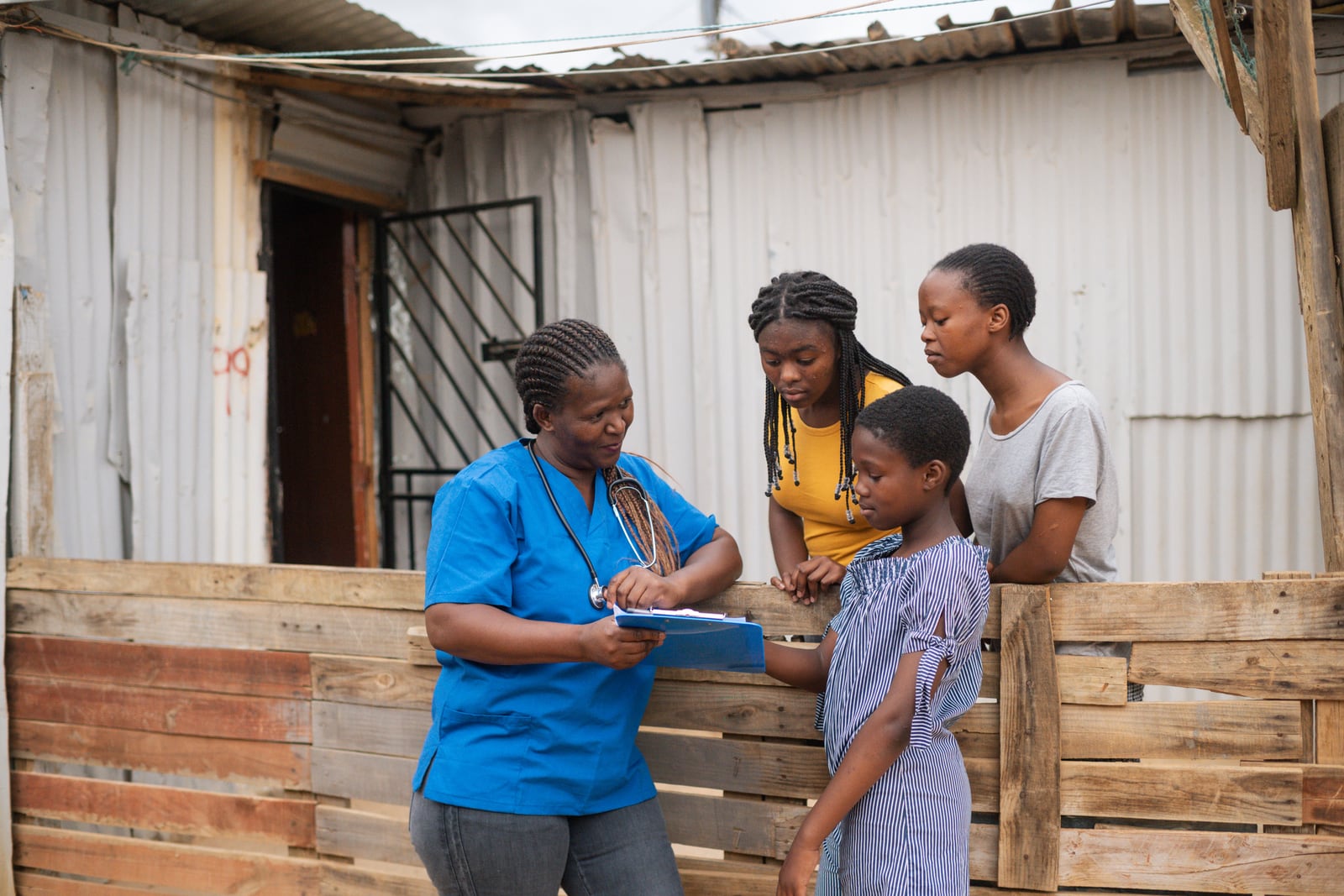
The Rufiji HDSS collects detailed information on health and survival and provides a framework for population-based health research of relevance to local and national health priorities. In December 2016 the population under surveillance was about 105 503 people, residing in 19,000 households. Monitoring of households and members within households is undertaken in regular 6-month cycles known as 'rounds'.
Self-reported information is collected on demographic, household, socioeconomic and geographical characteristics. Verbal autopsy is conducted using standardized questionnaires, to determine probable causes of death.
In conjunction with core HDSS activities, the ongoing studies in Rufiji HDSS focus on maternal and new-born health, evaluation of safety of artemether-lumefantrine (AL) exposure in early pregnancy and the clinical safety of a fixed dose of dihydroartemisinin-piperaquine (DHA-PQP) in the community. Findings of studies conducted in Rufiji HDSS can be accessed at www. ihi. or. tz/IHI-Digital-Library.
Data domains
- Vital events and mortality
- Sociodemographic and household data
- Clinical history and record linkage
Research home
Lead institutionIfakara Health Institute
Work with this cohort
Begin a responsible collaboration enquiry through APCC.
Profile provenance
- APCC record
- 172
- Membership
- Legacy Member
- Custodian status
- Requires custodian validation
- Schema
- 2.4.0