
About the cohort
Kenya Medical Research Institute runs HDSS in five sites following about 378,000 participants in Western Kenya and Nairobi. The rural sites are Asembo (2002), Gem (2003) and Karemo (2007) while the urban sites are Kibera (2015) and Manyatta (2017). Our main funders are Emory University and Centers for Disease Control and Prevention.
Read full cohort description
We conduct household interviews twice in a year using structured questionnaires collecting data on general demographic (such as population age structure and density, fertility, birth and death rates) and on morbidity status of household members in the last two weeks. We ask about both infectious and non-infectious illnesses.
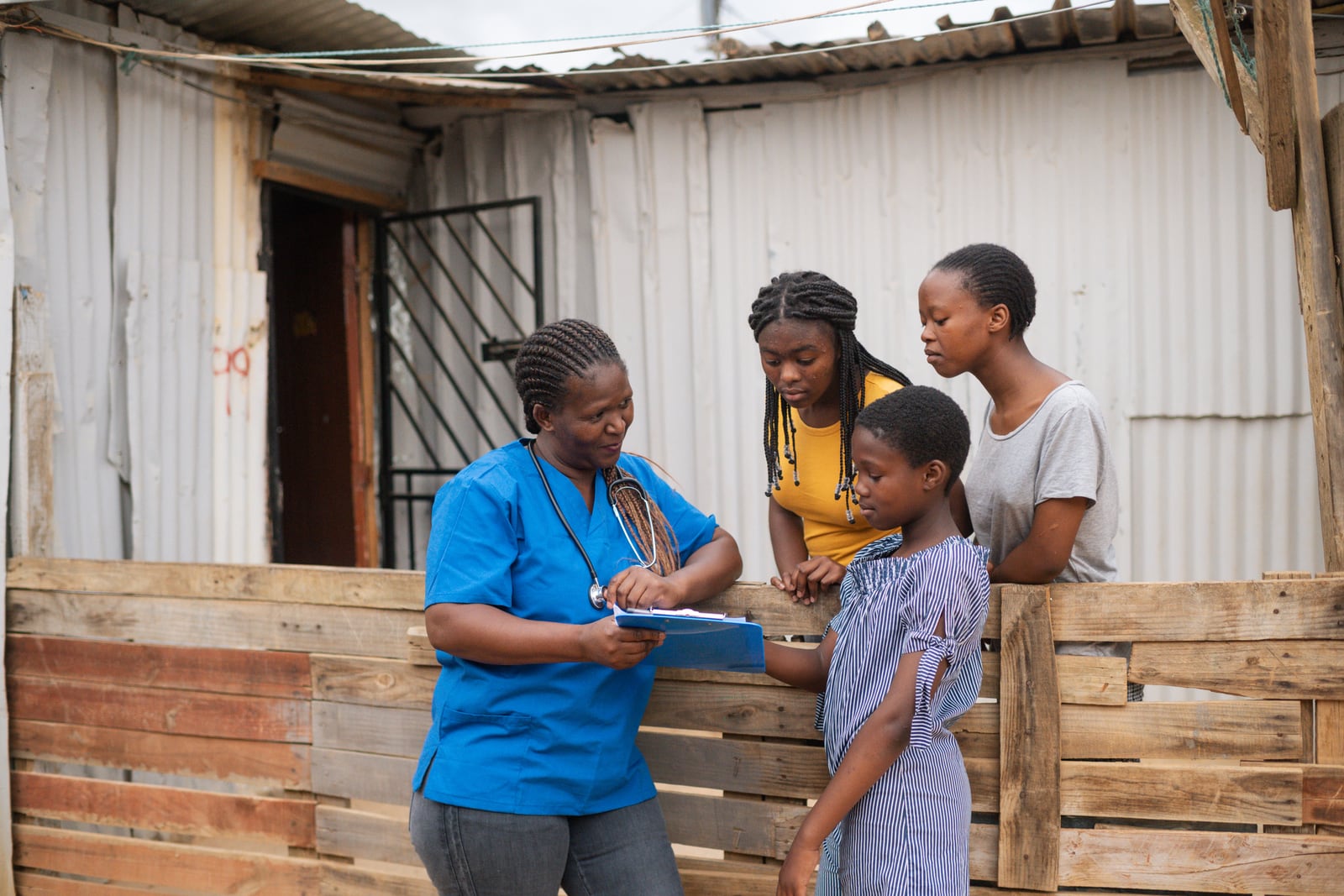
We work closely with Ministry of Healths' Community Health Volunteers who report to us vital events happening within households such as births, deaths and pregnancies. We conduct verbal autopsies for deaths that happen to study participants. The areas have high burden of HIV and Malaria.
HDSS have nested several studies such as Child Health and Mortality Prevention Surveillance, Pregnancy surveillance, Climate studies, population based integrated disease surveillance studies, Promoting Co-Designed Sustainable Health Interventions with Young Changemakers for Reduced Risk of Non-Communicable Diseases (NCDs) in urban Kenya- CHANGEMAKER, HIV studies, Malaria studies among others.
We have a locally built data collections system with highly experienced data managers.
Data domains
- Vital events and mortality
- HIV and infectious disease
- Malaria and vector-borne disease
- Sociodemographic and household data
Research home
Lead institutionKEMRI Centre for Global Health Research, Kisumu
Work with this cohort
Begin a responsible collaboration enquiry through APCC.
Profile provenance
- APCC record
- 146
- Membership
- Full Member
- Custodian status
- Requires custodian validation
- Schema
- 2.4.0